
What Happens During a Roof Replacement, Step by Step
Most roof replacements on a North Texas home take one to three days. The crew tears the old roof off down to the wood deck, repairs anything rotten underneath, installs new underlayment and shingles, then cleans the yard. Here is what each of those days actually looks like.
I have been doing this in Plano since 2000, and the question I get more than any other is not about price. It is about what the day is going to be like. People want to know how loud it gets, where the old shingles land, whether they need to move the cars, and whether anyone is going to walk through the house. Fair questions. Nobody enjoys handing their roof over to strangers.
So here is the honest version, start to finish.

Before anybody climbs on your roof
It starts with somebody getting on the roof and looking at it. Not from the driveway, not from a drone photo, on the roof. We do a free roof inspection first because there is no way to quote a job honestly without seeing the condition of the decking, the flashing, the vents, and the valleys up close. Sometimes that inspection ends with us telling you the roof has years left. That happens more than people expect.
If a replacement is the right call, you get a written quote. Not a number shouted from the yard, a written one you can sit with. We do not do same day pressure and we do not do a discount that disappears at midnight. If a roofer needs your signature today, that tells you something about the roofer.
Once you approve it, we order materials and put you on the schedule. Weather moves things around in the spring, so we stay in touch about the date rather than surprising you.

Day one, the tear off
The crew shows up early, usually around seven. First thing they do is protect the ground. Tarps go over the landscaping and against the walls of the house, and plywood goes over anything fragile. The dump trailer gets backed into the driveway, which is why we ask you to move your cars out the night before.
Then the old roof comes off. This is the loud part. Shovels under the shingles, everything scraped down to bare wood, and the debris goes straight over the edge into the trailer. Expect vibration through the ceiling and expect pictures on the wall to go crooked. It is worth taking anything delicate off a shelf the night before.
The whole tear off on an average home is usually done in a few hours. On a steep or a cut up roof it takes longer, because every valley and every dormer slows a crew down.

The part nobody sees
Once the deck is bare, we walk the whole thing looking for soft spots and rot. This is the step that separates an honest job from a fast one. Wet or spongy decking gets cut out and replaced with new wood. If we find damage, we show you photos before we cover it back up, and the extra decking is priced by the sheet so you are not guessing.
According to the National Roofing Contractors Association, the material under the shingles matters as much as the shingles themselves. That has been true on every North Texas roof I have ever torn off. The shingles get all the attention, but the deck and the underlayment are what actually keep water out of your house.
Flashing gets attention here too. Around chimneys, in the valleys, along any wall the roof runs into. Old flashing that gets reused is one of the most common reasons a brand new roof leaks. We replace it.
Putting the new roof on
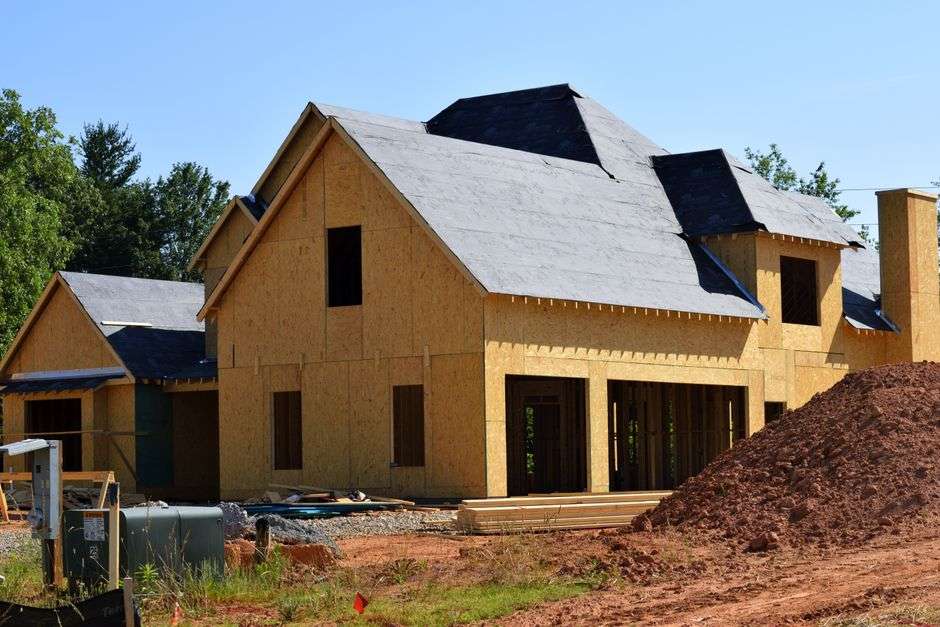
New underlayment goes down first, then a drip edge along the eaves, then valley material, then the shingles start at the bottom and work up. Ridge vents and pipe boots go on as the crew works. On most homes the shingles go on the same day the old roof came off, or the following morning if the tear off ran long.
If you have wondered how a roof replacement differs from a repair, this is the clearest answer: a repair fixes a section, a replacement resets the entire system, deck to ridge, so everything ages together from the same day.
Plano and the surrounding cities require a permit for this work, and you can read the City of Plano roofing permit requirements yourself. We pull it. You should not have to.

Cleanup, and how you know it was done right
At the end, the crew runs magnets over the driveway, the yard, and the flower beds. Roofing nails are small and they end up everywhere, and a magnetic sweep is the difference between a clean yard and a flat tire in October. We walk the property with you before we leave.
You should end up with a written record of what was installed and photos of anything we found and fixed along the way. If a roofer cannot produce that, ask why.

How long the whole thing takes
For a typical single story home in Plano, Frisco, or McKinney, one day is common and two is normal. Larger homes, steep pitches, and roofs with a lot of angles run into a third day. Rain pauses everything, and we would rather stop and dry in the roof than rush shingles onto a wet deck.
If you are in Frisco specifically, the process and the permit timing are the same, and we cover the details on our Frisco roof replacement page.
One more thing worth saying, because it saves people money and it is the reason a lot of folks come back to us years later. Not every roof that looks rough needs to come off. Missing shingles after a windy week, a single leak around a pipe boot, a cracked vent collar, those are all fixable without touching the rest of the roof. If something up there is bothering you but you are not sure it rises to a replacement, a roof repair is often the smaller and smarter answer. We will say so if that is the case, even though the smaller job pays us less.
Frequently asked questions
Q: Do I need to be home during the roof replacement? A: No. Most of our customers are at work. We do ask for access to the driveway and to any gate that leads to the back of the house.
Q: Will anyone need to come inside my house? A: Almost never. The only common reason is an attic look if we suspect a ventilation problem or an active leak.
Q: What happens if it rains in the middle of the job? A: We dry the roof in with underlayment so it is watertight, stop work, and come back when the deck is dry. Shingles installed on a wet deck are a problem you pay for later.
Q: Do you replace the wood underneath, or just the shingles? A: Only the wood that needs it. Sound decking stays. Rotten or soft decking gets cut out and replaced, and we show you photos of every board we swap.
Q: How soon can you start? A: It depends on the season. Spring after a storm is the busiest stretch of the year in North Texas. Fall and winter usually move fast.
Q: Is the inspection really free? A: Yes, and it comes with no obligation. If your roof is fine, we tell you it is fine.
If you want somebody to get up there and give you a straight answer about your roof, we serve Plano, Frisco, McKinney, Allen, Richardson, and the rest of North Texas. Schedule a free, no obligation inspection on our contact page and we will take a look.