
How Long Do Roofs Last in Texas? An Honest Answer
Asphalt shingle roofs in North Texas typically last twenty to twenty five years. Metal runs forty to seventy. Those numbers assume the roof was installed properly and the attic underneath actually breathes. Get either of those wrong and you can take five to eight years off a shingle roof without ever seeing a storm.
We have been on roofs in Plano and across North DFW since 2000, and the spread between the best and worst roofs of the same age is wider than most homeowners expect. What follows is what actually decides the number.
How long do roofs last in Texas by material?
Roughly twenty to twenty five years for asphalt shingles, longer for impact-rated asphalt, and forty to seventy years for metal.
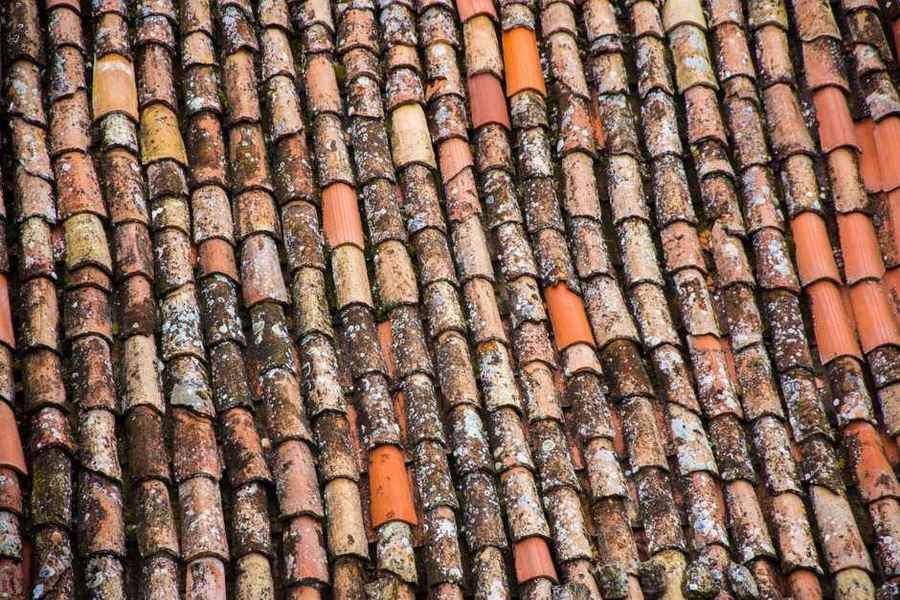
| Material | Typical life in North Texas | |—|—| | Three-tab asphalt shingles | Fifteen to twenty years | | Architectural asphalt shingles | Twenty to twenty five years | | Class 4 impact-rated shingles | Longer than standard architectural, stays flexible in heat | | Metal, corrugated or standing seam | Forty to seventy years by gauge and coating |
Two notes on that table. The ranges are for roofs that were installed correctly, which is not a given. And they assume a normal run of weather, which in this part of Texas means the roof takes hail on a regular basis rather than never.
Why do roofs wear out faster here?
Heat first, hail second. The two together are harder on asphalt than either one alone.
An asphalt shingle is a fiberglass mat saturated with asphalt and surfaced with mineral granules. The granules are the sunscreen, and dark roof surfaces climb far above the surrounding air temperature on a sunny day, as the EPA work on urban heat documents. Under a North Texas summer, attic temperatures push past 140 degrees, and that heat drives the volatile oils out of the asphalt from underneath. The shingle slowly goes from flexible to brittle. You cannot see it happening.
Then spring arrives. NOAA logged twenty one major hail events in Collin County in 2025. Hail on a flexible shingle bruises it. Hail on a brittle shingle cracks it. Same storm, same roof, different outcome depending on how much summer that shingle has already absorbed.
That is the whole reason a roof here does not last as long as the same roof in a milder climate. It is not that our storms are unusually violent. It is that the material is already tired when they arrive.
What shortens a roof’s life the most?
Bad attic ventilation, by a distance. After that, flashing done poorly and small problems left alone.
Ventilation is the one homeowners never think about, and it is the one we find most often. Air is supposed to enter low at the eaves and leave high at the ridge, moving continuously. When intake vents are blocked by insulation, or a previous owner added a power vent that fights the ridge vent, that airflow stops. The attic turns into an oven, the shingles cook from below, and the roof ages years faster than the one next door.
The other two:
- Flashing. Most leaks start at a chimney, a valley, a skylight, or a pipe boot, not in the open field of the roof. Flashing done quickly is a leak on a delay.
- Deferred small repairs. A cracked pipe boot is a cheap fix in year twelve and a decking replacement in year fifteen, because water works on the same spot every time it rains until something underneath gives.
Everything on that list is preventable, which is why we would rather come look at a roof for free once a year than meet you after the ceiling stains.
How do you tell where your roof is in its life?
Look for granule loss, brittleness, and whether problems are showing up in one place or everywhere.

A roof in the middle of its life has full granule cover, shingles that lie flat, and any issues confined to one detail. A roof near the end sheds grit onto the driveway, shows dark bald patches from the street, has shingles that crack when you lift them rather than bend, and starts producing problems in unrelated places at once.
We walk through the whole decision in repair or replace your roof, and the short version is that isolated problems mean a roof repair while scattered problems mean the roof is finished.
Worth saying plainly: about half our inspections end with us telling the homeowner the roof is fine. Age on its own does not condemn a roof. A well ventilated twenty two year old roof with intact granules can have real life left, and a badly ventilated fourteen year old roof can be done. We would rather tell you the truth and earn the call back later than sell a roof replacement that is five years early.
FAQ
How long do roofs last in Texas? Twenty to twenty five years for architectural asphalt shingles in North Texas, fifteen to twenty for three-tab, and forty to seventy for metal depending on panel type and coating.
Why do Texas roofs wear out faster than roofs up north? Attic temperatures past 140 degrees drive the oils out of asphalt shingles and make them brittle, then spring hail works on that brittle surface. Neither pressure is as intense in a milder climate.
Does a thirty year shingle really last thirty years? Rarely here. That number comes from manufacturer testing under moderate conditions. Treat it as a quality tier rather than a promise about your roof.
What makes a roof last longer in Texas? Working attic ventilation first, then correct flashing at every penetration, a decent shingle grade, and fixing small problems while they are still small.
Not sure where your roof sits on that timeline? Call Jackson Roofing at (469) 323-4626 or book a free, no-obligation roof inspection. We go up, take photos, look at the attic and the ventilation, and give you a straight answer about how many years you have left.
Chris Jackson, owner, Jackson Roofing. Family-run in Plano TX since 2000.