Texas Heat and Roof Damage: Why Roofs Age Faster
Everybody in North Texas understands what hail does to a roof. Almost nobody thinks about the four months a year the roof spends being slowly cooked, which is a shame, because that is the part doing the steady work.
Texas heat and roof damage are connected in a way that is easy to miss, because heat never breaks anything in one afternoon. It just ages the roof continuously. A shingle in Plano is under high heat load from roughly May through September, and by the end of a decade of that, a roof rated for a much longer life can be sitting at the end of it.
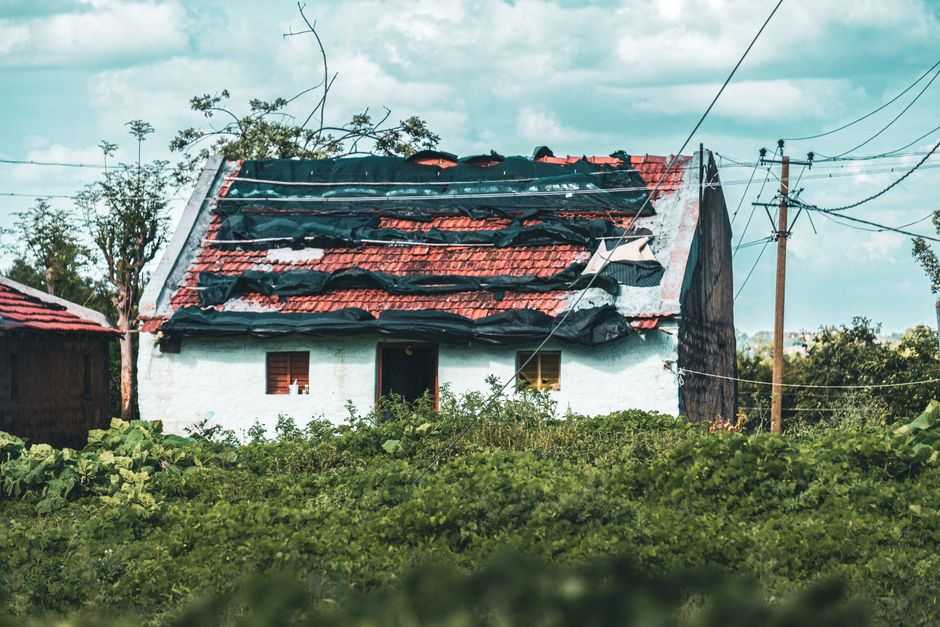
We have been walking these roofs since 2000. Nobody has ever called us about heat damage. They call about the leak it caused three years later.
How does Texas heat damage a roof?
It drives the oils out of asphalt shingles, which makes them brittle, and brittle shingles shed the granules that were protecting them.
An asphalt shingle is a mat saturated with asphalt and surfaced with mineral granules. The asphalt keeps it flexible and waterproof. The granules protect the asphalt from sunlight. Heat attacks the middle layer, and once the asphalt dries out, the shingle stops flexing with the daily expansion and contraction of the roof deck and starts cracking instead.
Then there is thermal cycling, which is the part people underestimate. A roof surface that hits a very high temperature at three in the afternoon and drops sharply overnight is expanding and contracting every single day. Do that a few thousand times to a material that has already lost its flexibility and things loosen: nail heads back out slightly, sealant strips let go, flashing separates at the edges.
The roof itself gets much hotter than the air. The EPA’s work on urban heat documents how far above ambient temperature conventional dark roof surfaces climb on a sunny day. In our summers that difference is not academic. It is what your shingles live in.
What does heat damage look like on shingles?
Bald patches, curling edges, cracking across the surface, and granules ending up on the ground.
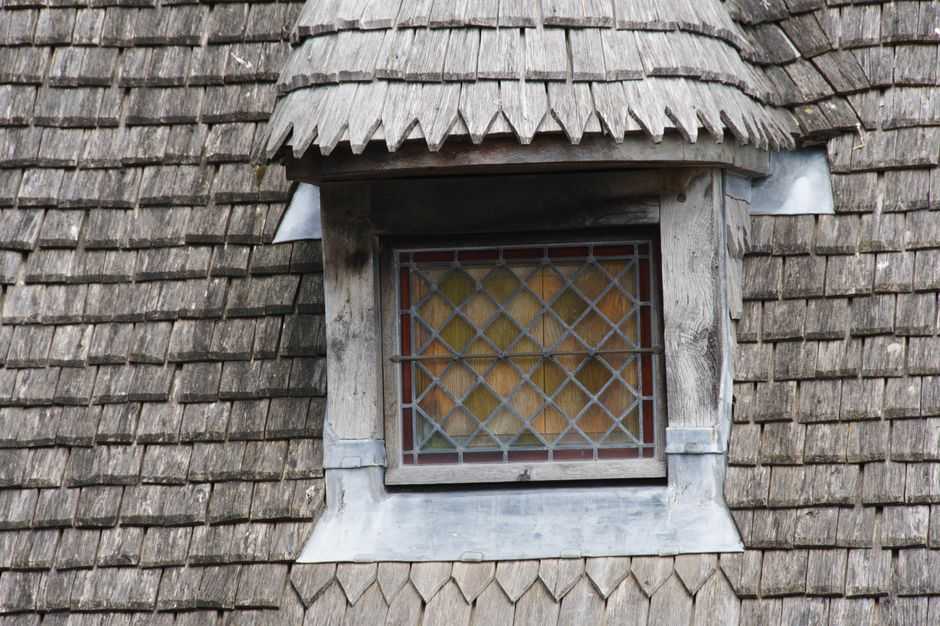
Heat damage looks different from storm damage, and once you have seen both the distinction is obvious. Hail leaves discrete impact marks scattered at random. Heat leaves broad, even wear across whole slopes, and it shows up worst on whichever faces get the most afternoon sun.
What we look for:
- Curling or cupping at the shingle edges. The corners lift because the shingle has dried and shrunk.
- Cracking that runs across the shingle surface rather than a clean tear from wind.
- Bald or thin patches where the granules have worn off and the darker asphalt underneath shows through.
- Granule grit collecting on the driveway apron or in the flower beds below the roofline after a hard rain.
- Brittleness. A healthy shingle flexes a little. A heat aged one snaps.
The south and west facing slopes almost always go first. We have looked at plenty of Frisco and McKinney roofs where one side had years left and the other was finished. If several of those signs are showing at once, the checks in our post on the signs you need a new roof are the sensible next step.
Why do North Texas roofs age faster than expected?
Because the rated service life of a shingle assumes an average climate, and ours is not one.
A shingle rated for a long service life is rated under test conditions, not under a North Texas July with an underventilated attic pushing heat at it from below. NOAA’s monthly climate reporting keeps putting our summers among the warmer stretches on record, and every one of those summers is spending itself on your roof.
Add the attic underneath. If the intake and exhaust are not moving air, the decking sits in trapped heat all summer and the shingle is being worked from both sides at once. That is why two identical houses built the same year on the same street can need roofs a long way apart. Getting that airflow right is part of doing a roof replacement properly, because a new roof over an old ventilation problem simply restarts the same clock.
Then add hail on top of an already brittle roof. A shingle that still has its flexibility takes a hail strike and often survives it. A dried out one fractures. Heat does not usually finish a roof by itself. It just makes everything else more expensive.
Can you slow down heat damage on a roof?
Yes, mostly through ventilation and material choice, and neither is complicated.

Ventilation is the one with the best return, because it is the half of the heat load you can actually control. Air needs to come in low at the eaves and leave high at the ridge. Most of the underperforming attics we open up have plenty of exhaust and almost no intake, usually because insulation got pushed out over the eave vents at some point and sealed them off.
Material choice is the other lever. Lighter surfaces absorb less heat than dark ones. Impact-rated shingles hold up better to the combination of heat aging and hail. If your roof is nearing the end anyway, those decisions belong in the replacement conversation rather than a repair one, and our guide on whether to repair or replace a roof covers where that line actually falls.
When does heat damage mean it is time to replace?
When the wear is spread across multiple slopes rather than concentrated in one spot, and the shingles have lost their flexibility.

Isolated damage is a repair. A cracked pipe boot, a lifted ridge cap, one slope that took wind. Spread damage is different. When granule loss is showing on three or more slopes, when shingles snap rather than bend, and when you are chasing a new leak every season, the roof is telling you something and patching it is just buying months at a time.
About half our inspections end with us saying the roof is fine, which is a terrible sales strategy, and we do it anyway. When a roof genuinely is finished we say so and show you the photographs of why. We have been family run in Plano since 2000, we run our own crews, and every quote is in writing with no same day pressure.
Frequently asked questions
How hot does a roof surface get in Texas? Far hotter than the air temperature. Dark roof surfaces climb well above ambient on a sunny day, and in a North Texas summer that means a roof working under sustained high heat for months at a time.
Does heat damage shorten a shingle warranty period? Heat does not change the paperwork, but it absolutely changes the real world outcome. Rated service life assumes average conditions, and a hot climate with a poorly ventilated attic underneath will get you there sooner.
Which side of my roof wears out first in Texas? Usually the south and west facing slopes, because they take the most afternoon sun. It is common to find one slope in good shape and another on the same house near the end.
Can better attic ventilation really slow heat damage? Yes. Attic heat works on the underside of the decking and shingles all summer. Getting intake and exhaust balanced is one of the few parts of the heat load a homeowner can genuinely control.
Get an honest read on how your roof is holding up
If your shingles are curling, the driveway keeps collecting grit, or you simply want to know how many summers your roof has left, book a free, no obligation roof inspection. We look, we photograph what we find, and we give you a straight answer. No pressure, just an honest look.